Industrial UX/UI design is the specialized practice of designing B2B manufacturing website interfaces specifically for procurement officers, supply chain directors, and engineers — the technical buyers who evaluate manufacturing capabilities online before requesting a quote. Ferdaus designs every industrial website layout, navigation system, and product catalog to accelerate the path from technical research to qualified RFQ, while building the structured data foundation required for Answer Engine Optimization (AEO).
Standard web design optimizes for visual engagement. Industrial UX/UI design optimizes for technical evaluation. Procurement officers do not browse manufacturing websites — they evaluate them against competing suppliers in under 90 seconds. Every layout decision, information hierarchy, and content module must be engineered to surface the specifications, certifications, and capabilities that drive a sourcing decision. Generic design agencies cannot execute this because they design for audiences who read. Industrial buyers scan — and a specialist industrial website designer builds for that behavior.
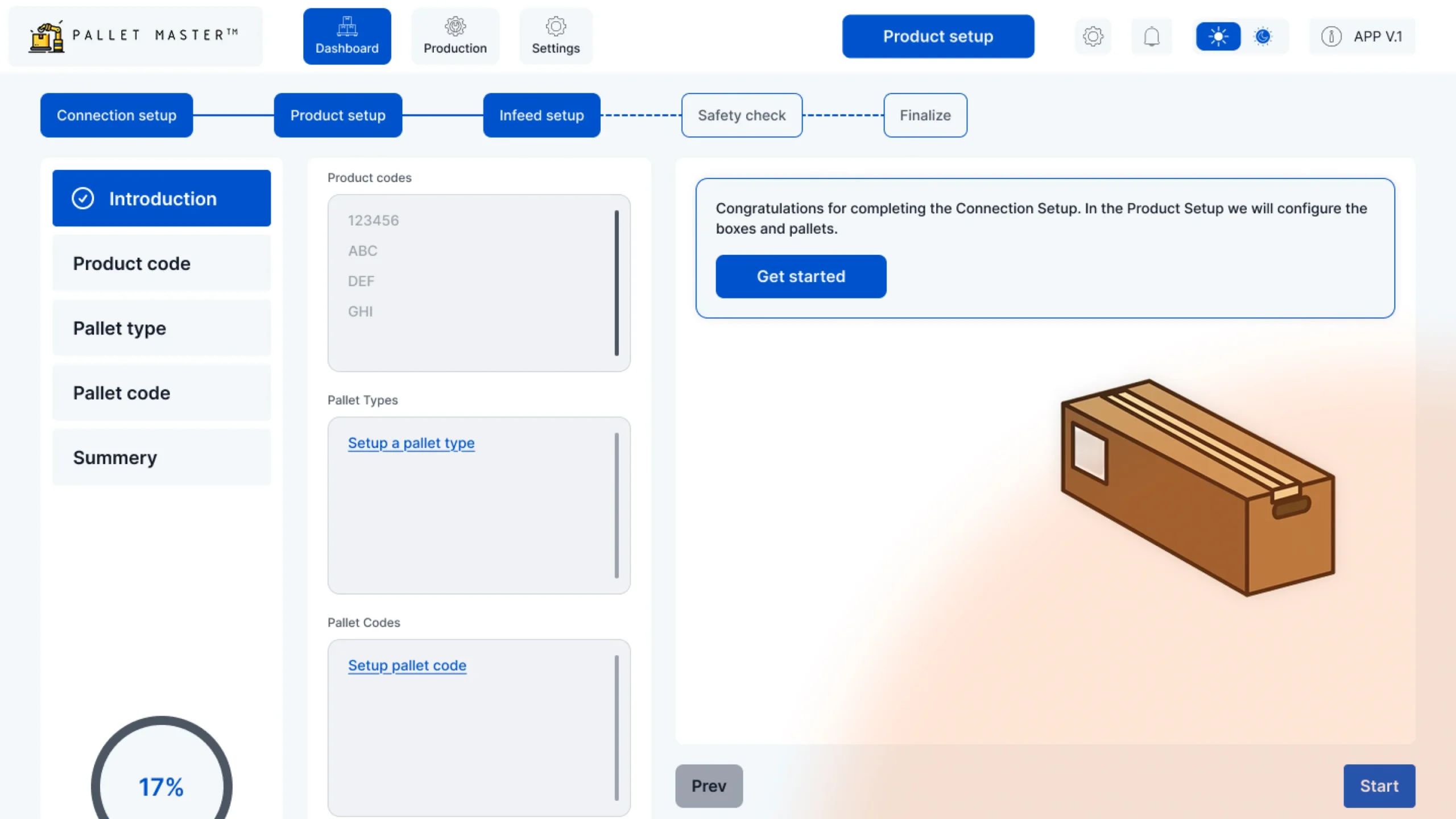
Human-Machine Interface (HMI) principles are applied to industrial web navigation — designing layouts that mirror the logical structure of machine control systems. This dramatically reduces cognitive load for plant managers, procurement officers, and technical buyers accustomed to data-dense, precision-organized interfaces.
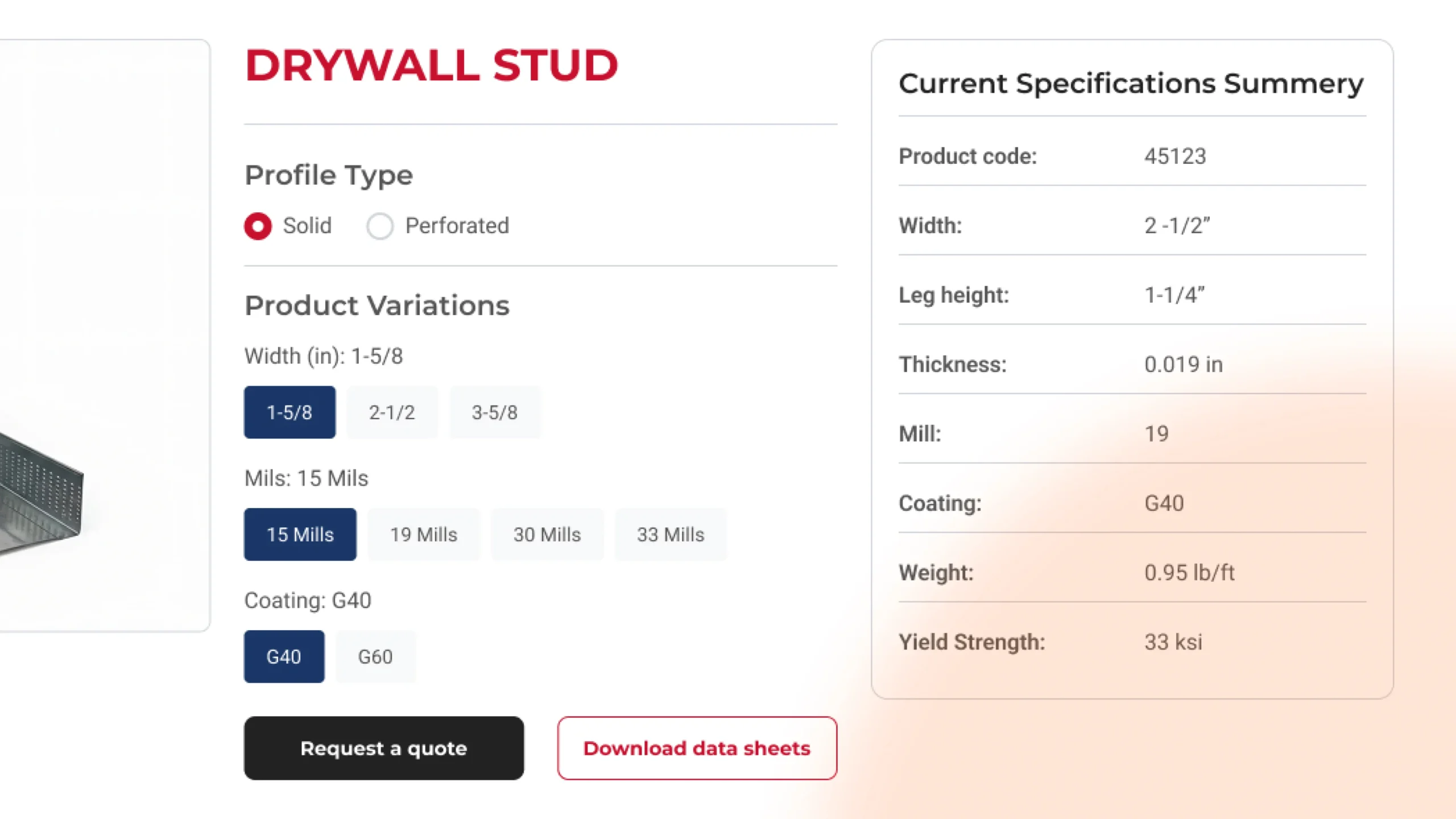
Generic contact forms are replaced with multi-step technical RFQ briefing centers — capturing project parameters including material type, required tolerances, production volume, and certification requirements upfront. The result is pre-qualified, ready-to-engage leads delivered to the sales team from buyers at peak research intent.
Every B2B manufacturing website Ferdaus designs is built with AEO and Generative Engine Optimization (GEO) as foundational architecture — not a post-launch addition. Manufacturing product specifications, certifications, and capabilities are structured in Schema.org JSON-LD, FAQ content modules are optimized for Featured Snippets and AI Overviews, and topic authority clusters position the manufacturing brand as the definitive source for its industrial niche.
We wrap your machinery specifications in advanced JSON-LD Schema. This ensures your equipment is the primary "Answer" for AI-search agents like Gemini and Perplexity when they crawl the web for "best-in-class" manufacturing solutions.
We replace generic contact forms with Technical Briefing Centers. These are designed to capture high-intent project parameters, ensuring that the leads hitting your inbox are qualified and ready for technical consultation.
I architect your site around high-value entities like "CNC Machining UX" or "Robotic UI Engineering." This establishes undisputed topical authority, making your site the "Technical Node" for your specific industrial niche.
In sectors like MedTech, Bio-Pharma, and Defense, design is a matter of regulation. My B2B Industrial UX/UI Design methodology prioritizes the data integrity and security protocols required by global manufacturing leaders to maintain their competitive edge.
I design UI flows that highlight your certifications (such as ISO 9001 or ISO 13485) as primary trust signals. These are positioned strategically to pass the initial screening of strict procurement audits.
We integrate encrypted RFQ portals and secure technical document downloads. This allows your partners to access sensitive CAD files or whitepapers while protecting your proprietary intellectual property.
I solve the "Hardware Visualization" problem by creating Industrial UI/UX design that allow global buyers to inspect your machinery without a physical site visit.
My UX designs support interactive 3D models and high-resolution CAD viewer integrations. This allows engineers to "test-fit" your components into their designs directly from your technical website.
I engineer deep-level search logic. Users can filter by Tonnage, Power Output, or Material Compatibility in a single click, mirroring the way engineers actually source hardware.
Your website is your 24/7 global sales office. Since the majority of industrial leads come from international markets, my B2B UX strategy ensures your site is authoritative and accessible in every manufacturing hub across the US, EU, and Asia.
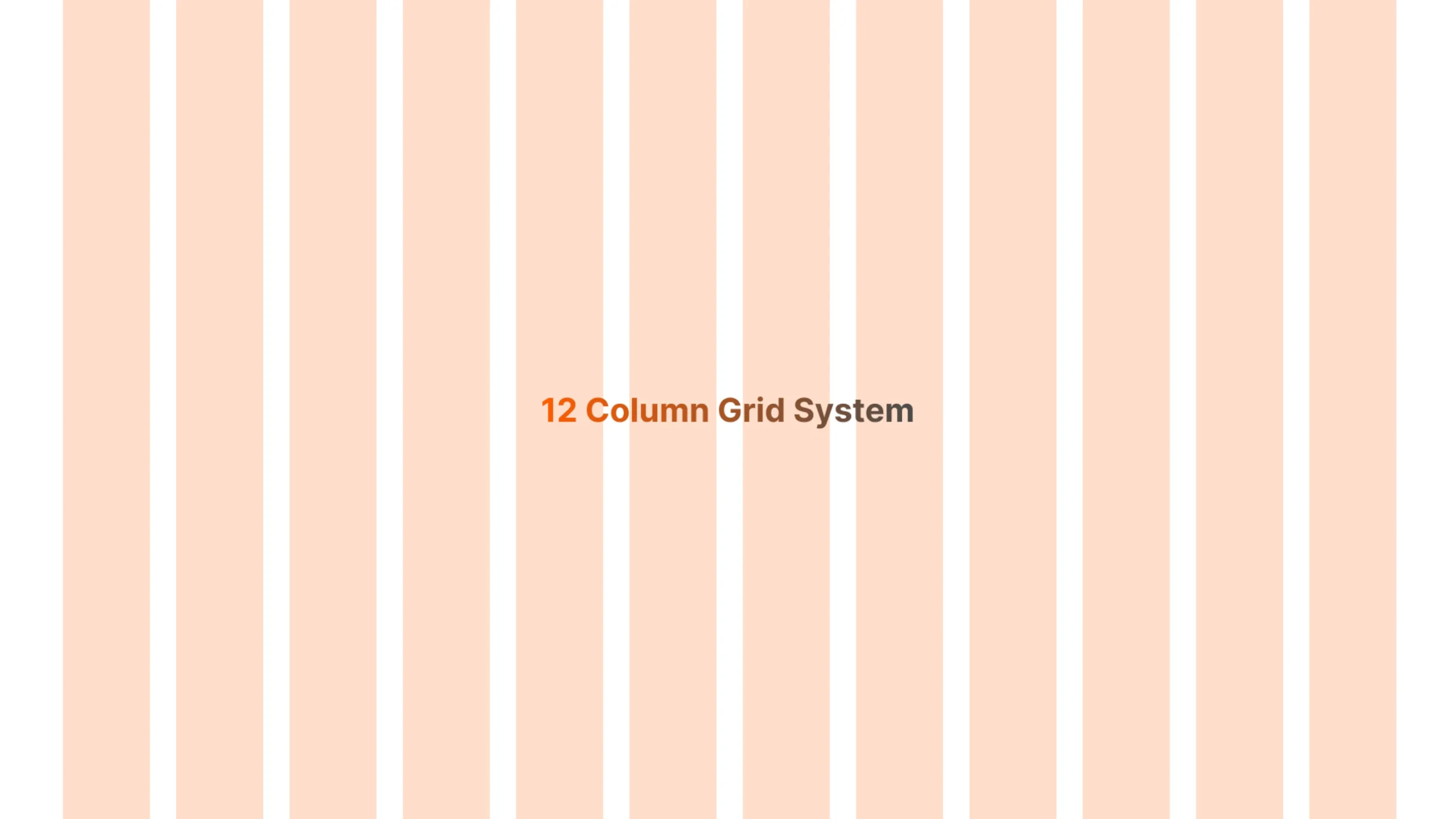
I design layouts that support multi-language technical terminology. This ensures that technical specs remain accurate and readable across different regions without breaking the visual hierarchy of the 12-column grid.
Through my agency, Pixerts, we implement performance-first builds in WordPress. Using global CDNs, we ensure your technical showroom loads instantly, whether the buyer is in a Chicago office or a German factory.
Auditing legacy site data, performance metrics, and current AEO visibility.

Mapping the Technical IA for deep product catalogs and complex industrial hierarchies.
Developing a pixel-perfect Technical-Premium design system in Figma.
Full-cycle, high-performance build in WordPress/Elementor via the Pixerts production engine.
Let’s engineer a digital presence that commands authority in the industrial sector. I lead the strategy; Pixerts handles the build.
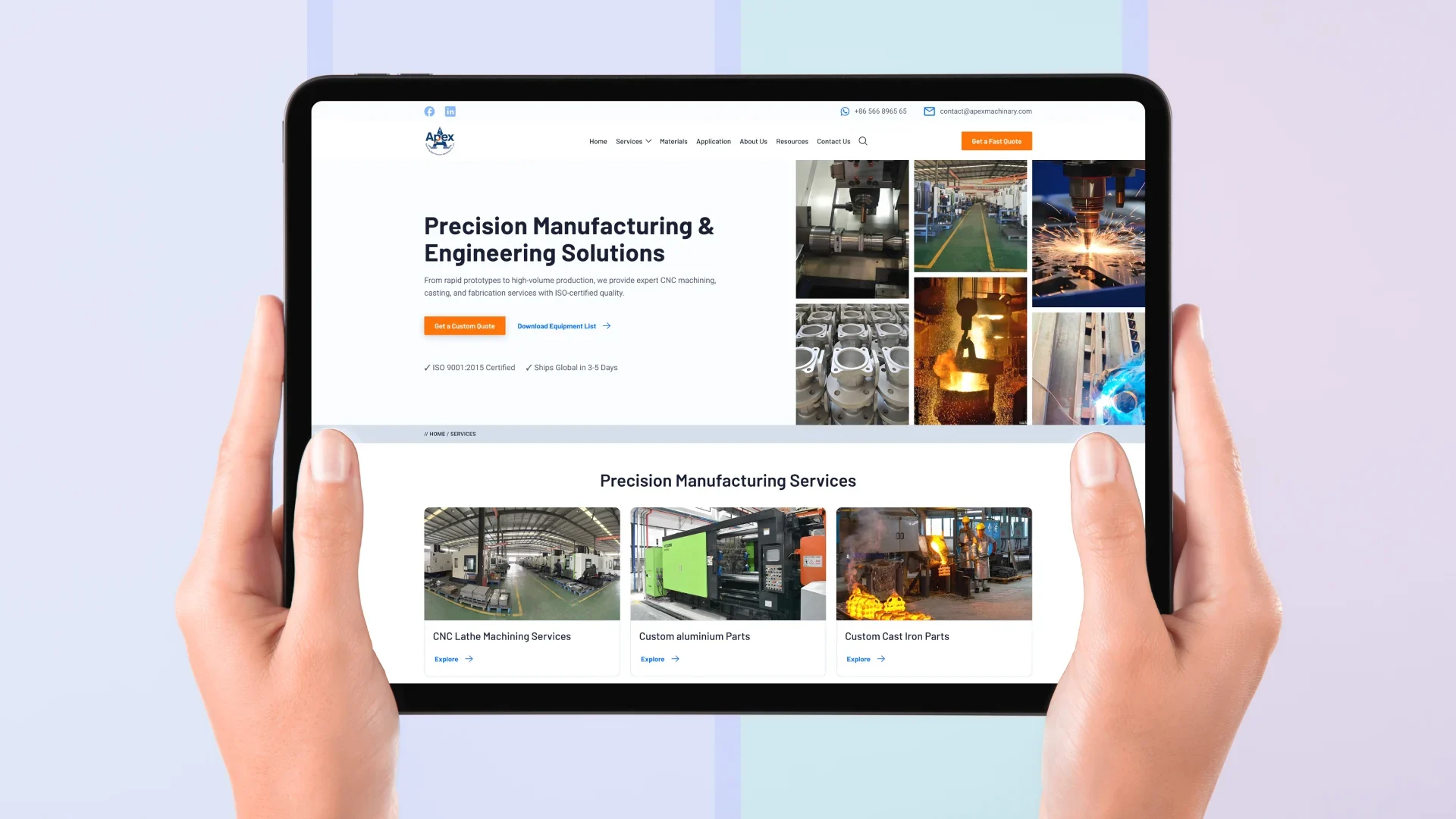
Industrial UX/UI design increases RFQ rates by reducing the friction between a procurement officer landing on a manufacturing website and locating the specific technical data — tolerances, certifications, material capabilities — needed to justify a quote request. When buyers can rapidly evaluate technical authority without calls or PDF requests, conversion from research to qualified RFQ increases measurably.
Standard web design prioritizes visual engagement and general usability. Industrial UX/UI design prioritizes technical evaluation speed — designing layouts, navigation systems, and data hierarchies specifically for procurement officers, engineers, and supply chain directors who evaluate multiple manufacturing suppliers simultaneously under tight sourcing timelines.